2K thinner: when to thin and by how much for the temperature
Thinner isn't just there to make the product runnier. It controls how the clear or primer spreads, flows out and cures. Chosen and measured properly, it prevents half of all finish defects.
The role of thinner in a 2K product
In a 2K clear or primer, thinner adjusts the viscosity so the product goes through the gun properly and atomises finely. But its role goes further: depending on how fast it evaporates, it gives the film more or less time to spread and flow out before it sets.
A thinner that evaporates too fast gives a film that sets before it has flowed out: orange peel, a dry, sandy look at the edges, dry blend-ins. A thinner that's too slow, or too much of it, keeps the film fluid for too long: runs on vertical panels, never-ending flash-off and a risk of trapped solvent. The whole point is finding the right balance for the day's conditions.
You also need to bear in mind that thinner doesn't stay in the film. It evaporates completely, in the booth and then during the bake. What's left is the resin and the hardener. In other words, every extra percent of thinner reduces the dry film build per coat. An over-thinned clear looks nicely flowed out when it's applied, then sinks back as it cures and lacks build. That's one of the reasons you sometimes find orange peel the next day when everything looked smooth coming off the gun.
When to thin, and when not to
Some UHS products are applied with very little thinner, or none at all, when it's cool. Others specify a fixed percentage. The only document that settles it is the technical data sheet: it gives the proportion, sometimes a range, and often an application viscosity measured with a flow cup.
There are still situations where you play with the thinning, within the permitted range. In hot weather, you go up a little to keep the film open for longer. For a blend or a small area, you can thin more to melt in the edge. On the other hand, for a high-build primer you want thick, you stay at the minimum. What you avoid is thinning to make up for a badly set-up gun or a mix that has started to go off.
Adjusting thinning to the temperature
Temperature is everything. The same mix doesn't have the same viscosity at 15 °C and at 28 °C, and the solvent doesn't evaporate at the same rate. Full ranges offer fast, standard and slow thinners to cover the seasons. A standard thinner is designed for the normal range of a temperate booth, generally around 20 °C.
In practice, this is how to think about it. Cool workshop, around 15 to 18 °C: thinning at the bottom of the range, product and substrate brought up to temperature before applying, and a slightly longer flash-off. Workshop at 20–25 °C: standard thinning. Above 25 °C, or on a large panel where you need to keep a wet edge for a long time: top of the range, or a slow thinner if the system includes one.
Think about panel temperature too. A door that's been sitting in a car park at 5 °C cools the film on contact, even in a booth at 20 °C. Let the part come up to temperature before you start.
- Below 15 °C: avoid applying 2K products unless stated otherwise
- 15 to 20 °C: bottom of the range, longer flash-off
- 20 to 25 °C: standard thinning
- Above 25 °C: top of the range or a slower thinner
Measure rather than guess
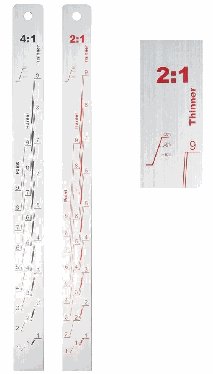
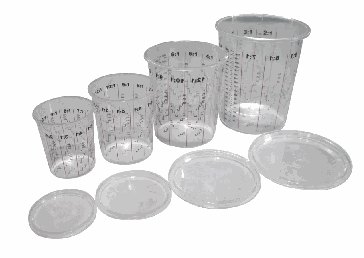
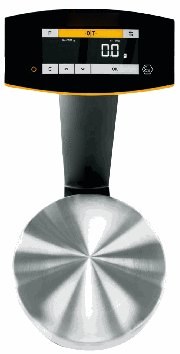
Thinner always goes in after the hardener, into the resin-plus-hardener mix, and it's always measured: graduated cup, mixing stick or scales. A “splash” of thinner poured by eye is 5% one day and 15% the next, and then you can't work out why the clear never behaves the same way twice.
If the data sheet gives a flow-cup viscosity, get into the habit of checking it now and then, especially when the seasons change. It's a thirty-second check that explains a lot of defects. And write down the settings that work: temperature, thinning, pressure, tip size. After a few weeks, you'll have your own workshop reference.
A real-life example: an October morning, booth at 17 °C at start-up, and you're clearing a bonnet. You stay at the bottom of the range, let the booth warm up before you start, and lengthen the flash-off between coats a little. In the afternoon, the booth is at 23 °C and you're clearing a full vehicle: you switch to standard thinning, or even a little more to keep a wet edge on the roof. Same product, same gun, two different settings in the same day.
Bad habits to drop
Using gun-wash thinner to thin the clear is a saving that ends up costing a lot: it isn't the same product, it often contains solvents that have no business in a 2K film and can cause hazing, solvent boil or poor durability. Gun wash is for the gun, not the product.
Mixing thinners from different brands has the same problem as with hardeners: their evaporation rate and compatibility with the resin aren't guaranteed. Finally, thinner is still a flammable and harmful solvent. Keep the tin closed, store it away from heat sources, and wear respiratory protection while mixing as well as when spraying.
Humming thinner
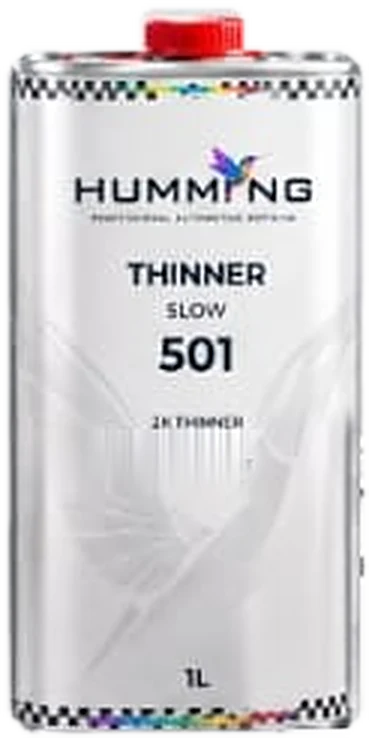
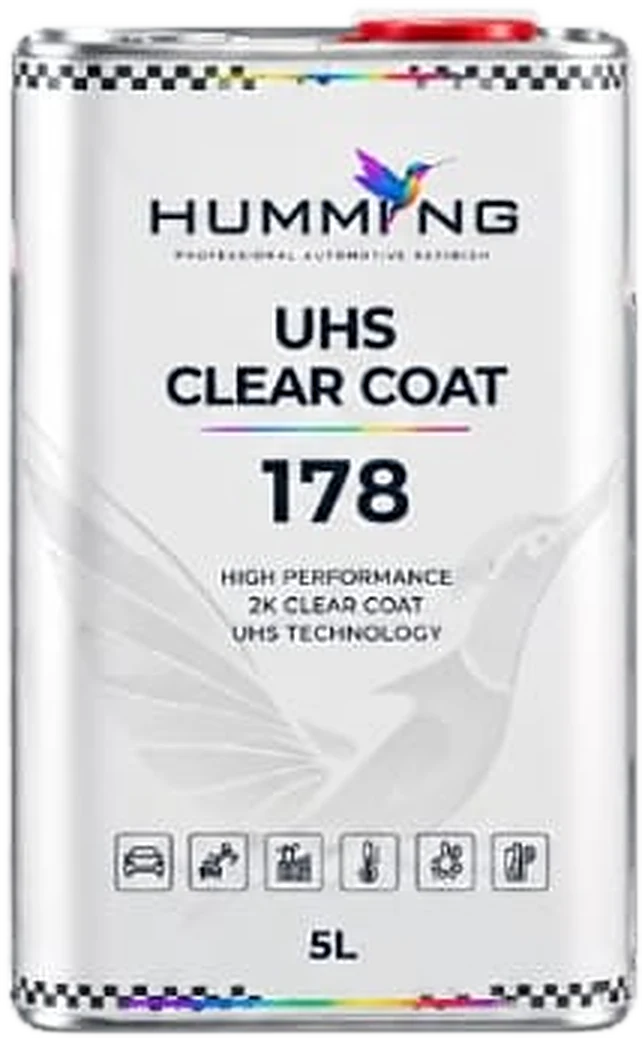
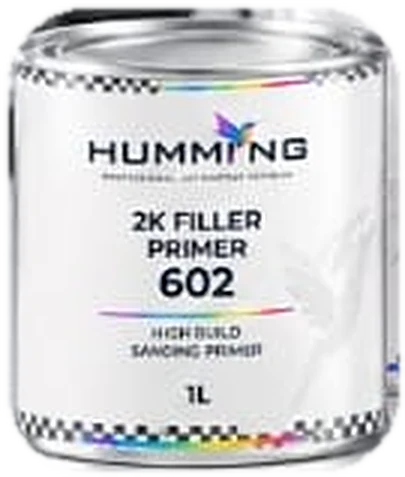
The 501 standard 2K thinner (1 L and 5 L) is the thinner for the Humming finishing system: it's used to thin the UHS 178 clear coat and the 602 high-build primer, in the proportions given on their technical data sheets. For measuring, the MEL-103 mixing stick, the MEL-106 graduated cups or the MEL-115 scales will do the job. For the gun, keep a separate gun-wash thinner, along with the ACC-119 brush kit for the passages. Your Humming distributor will let you know which pack sizes are in stock.
The values given here are workshop guidelines. The product's technical data sheet always takes precedence.